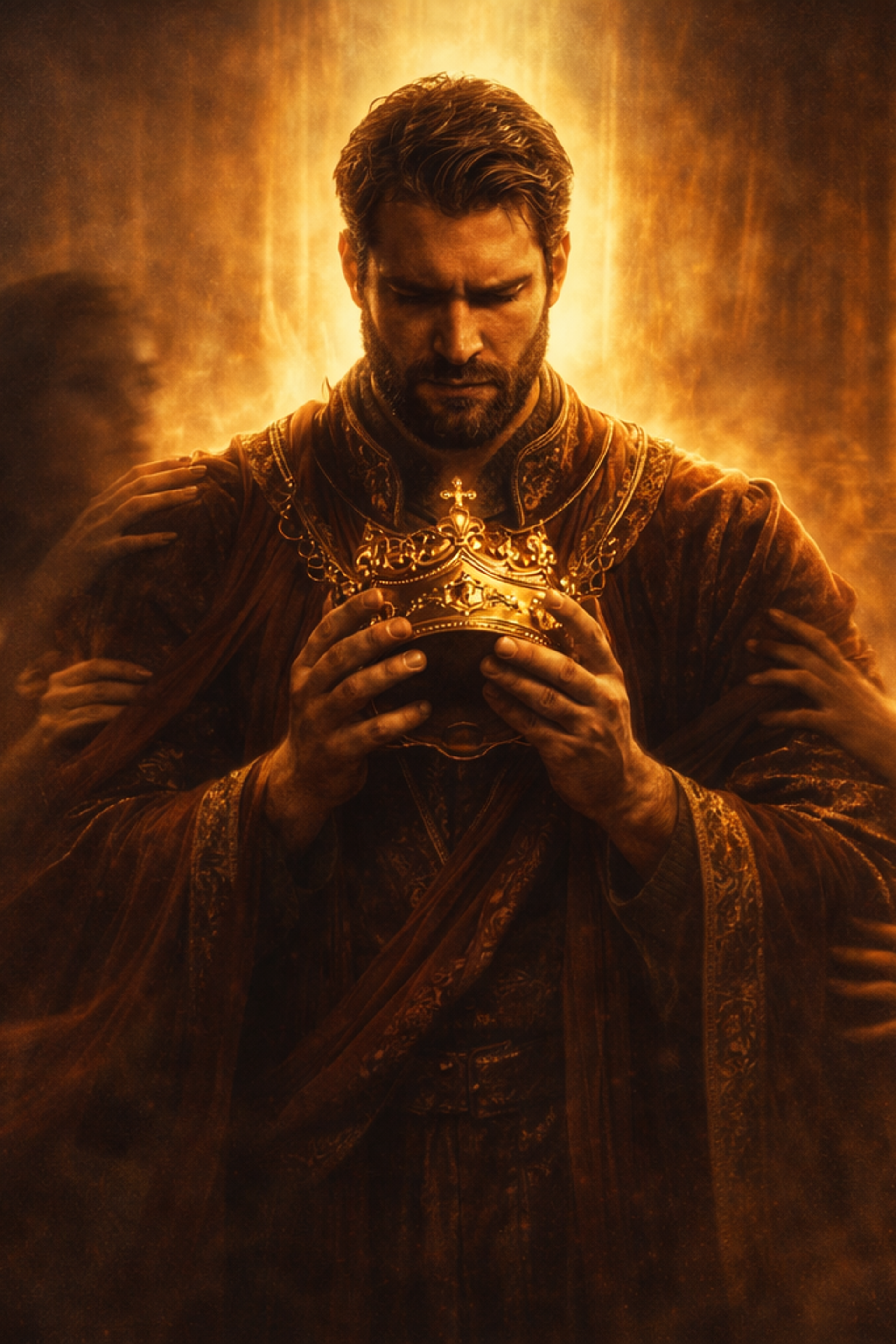
Jesus Christ is the fullness of deity embodied in human flesh—God made visible and tangible in history. His mission carries cosmic weight: to reconcile all creation back to God the Father from its fallen and fractured state. Through His life, death, and resurrection, He dismantled both the root and the ripple effects of the hostility introduced when Adam stepped outside God’s original design, restoring what was lost and bridging the infinite divide between humanity and its Creator.
His blood speaks a better word than Abel’s. While Abel’s blood, though righteous in its offering compared to Cain’s, cried out from the ground for justice after his death, it still reflects the limitation of human existence: even the most acceptable human sacrifice cannot produce redemption. In the same way, the animal sacrifices of the high priests—though instituted by God—were inherently limited. They functioned as shadows and prophetic patterns, pointing forward to the ultimate High Priest who would, at Calvary, take away the sin of the world once and for all.
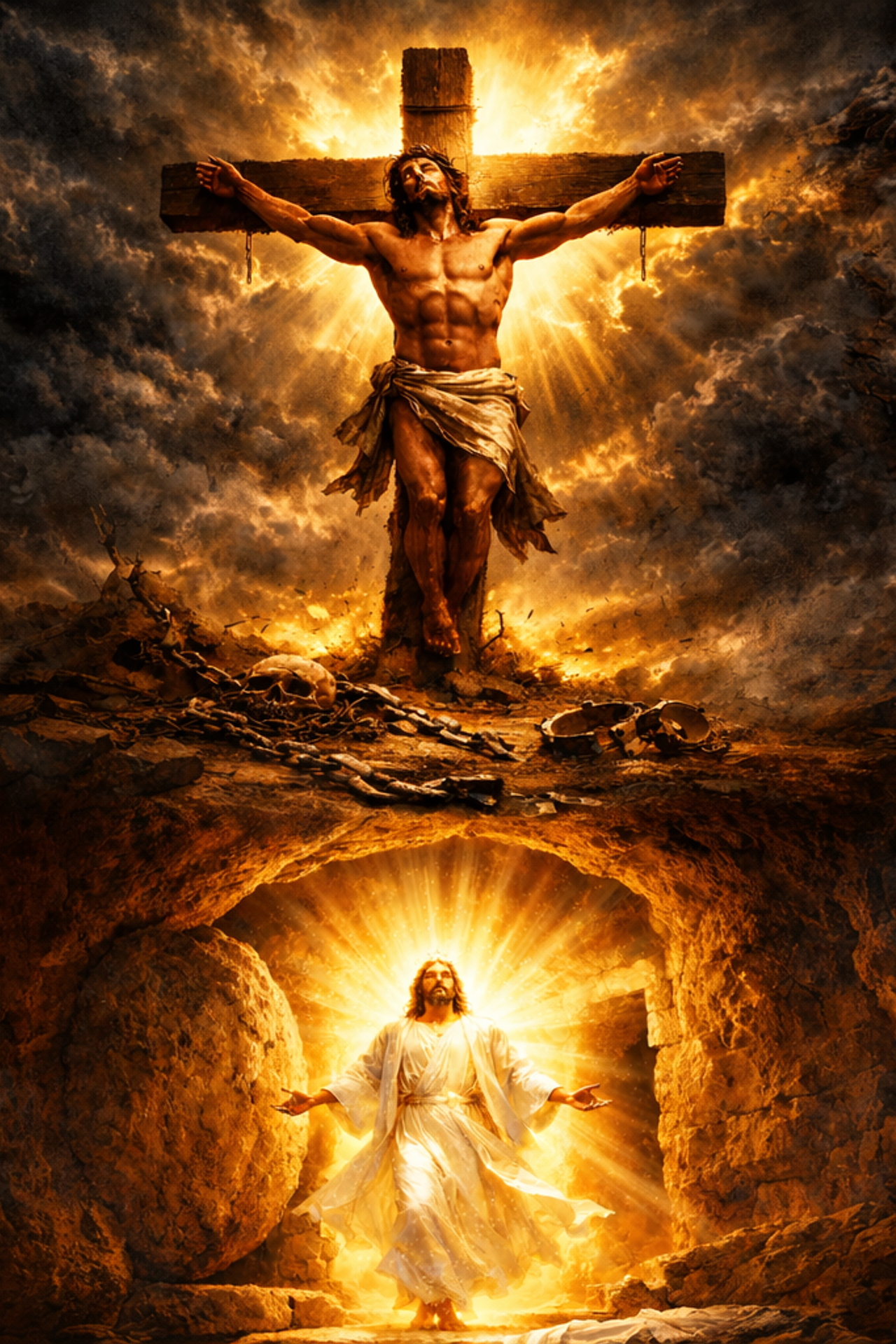
The blood shed on the cross was never intended to be reduced to ritual language or transactional expressions used to conclude prayers or secure outcomes. It was presented before God by the perfect, sinless, and sufficient High Priest as a complete and acceptable sacrifice. In that offering, He abolished in His flesh the enmity—the law of commandments contained in ordinances—bringing division to an end and establishing peace by creating in Himself one new humanity.
That “new man” is not an abstract concept; it is identity reality. Anyone who has received His salvation and submitted to His Lordship is fully united with Him—spirit, soul, and body. What was released through the breaking of His body and the shedding of His blood is not symbolic supplementation; it is sacred inheritance—irreversible, unearned, and immeasurable. It is meant to be experienced, not merely acknowledged; lived, not merely articulated.
This is the framework of victorious living: not emotional hype or performance-based religion, but the lived expression of a finished work. You are not negotiating with darkness—you are walking in the enforcement of a victory already secured over a defeated adversary. That reality becomes your testimony.
So when you partake of communion, it is not ritual observance—it is intentional remembrance with revelation. You recall His love, align with His eternal purpose over your life, and consciously stand in the covenant He has fulfilled. In that moment, spiritual perception is illuminated: you begin to grasp the hope of His calling, the riches of the glory of His inheritance in the saints, and the surpassing greatness of His power toward those who believe. This is the same power that raised Christ from the dead and seated Him at the right hand of God—far above every principality, power, might, and dominion, and every name that is named, not only in this age but also in the one to come. This is not distant theology. It is present reality—active, reigning, and fully operational. His body, your identity. His life, your reality.